
 Italiano
 Español
 Français
 Deutsch
 Nederlands
 Polski
 Português
 Português do Brasil
 Pусский
 日本語
 简体中文
 한국어
 Bahasa Indonesia
This is an independent website and it'is not affiliated with or endorsed by the Vatican Museums.


Museum Sistine Chapel guided tour with St. Peter's Basilica


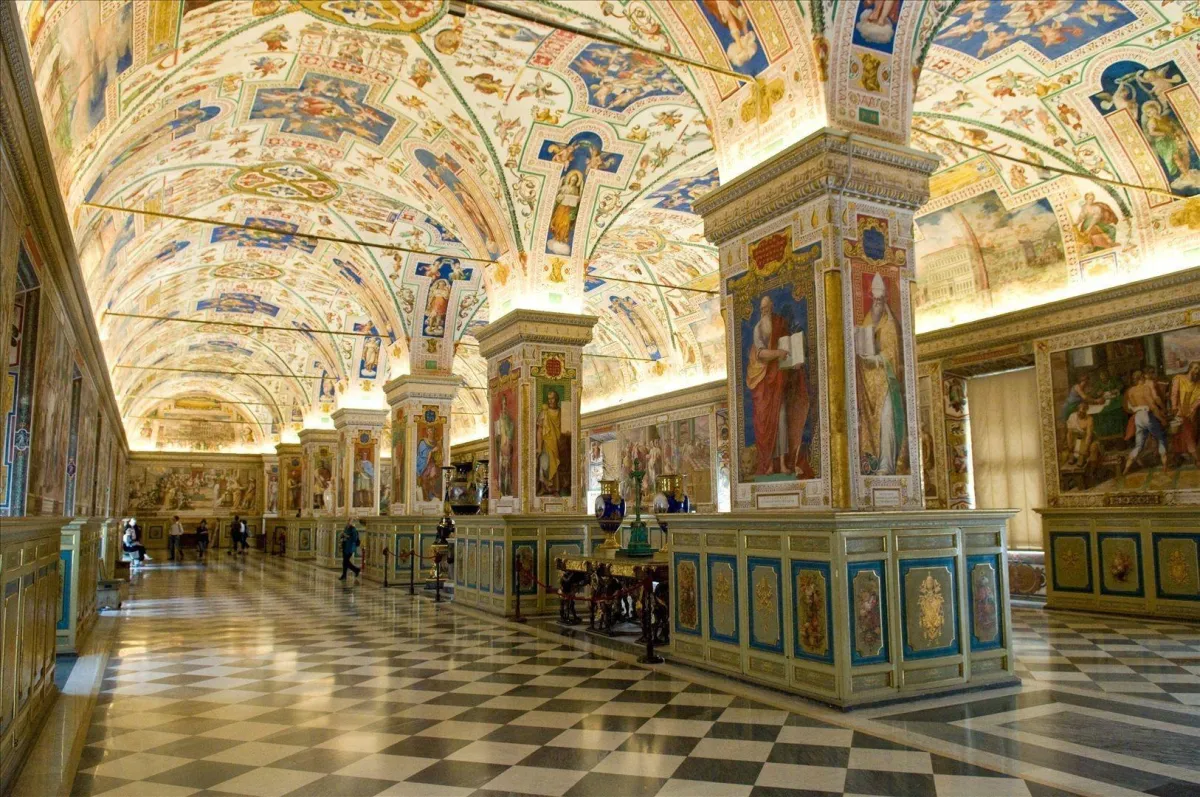
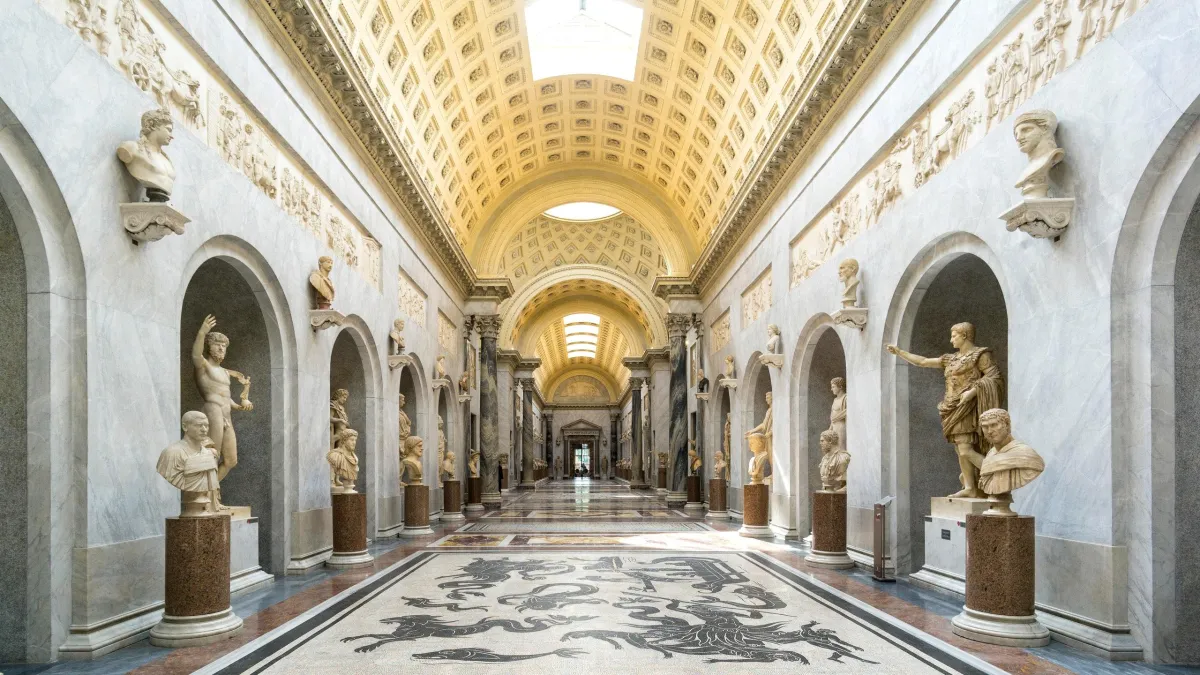
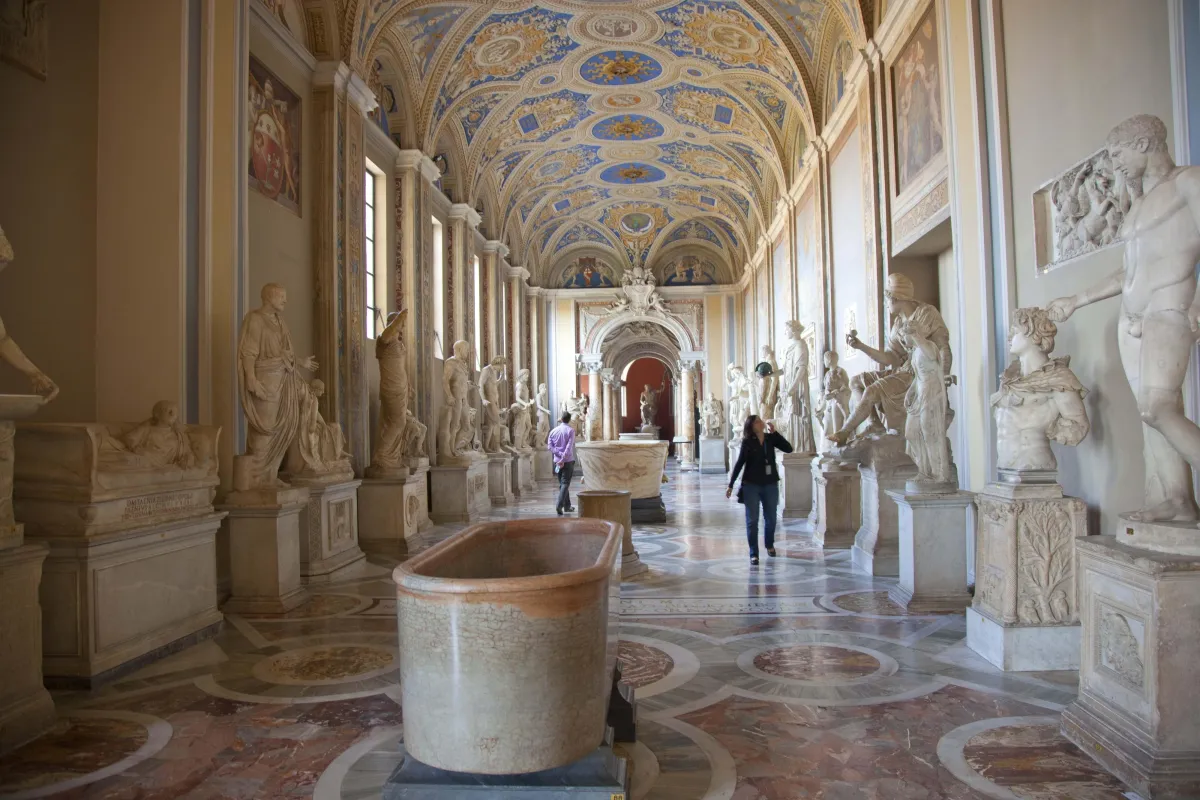
About this activity
-
Free cancellation: Cancel up to 24 hours in advance for a full refund Cancellation policy
-
2.5 hours Duration
-
Italian English Spanish Live tour guide
-
Private group
Yes
-
Keep your travel plans flexible — book your spot and pay nothing today. Reserve now & pay later
-
Yes Skip the ticket line
Your experience
The Sistine Chapel, located at the end of the Vatican Museums’ route, is among the best-known masterpieces of Renaissance art.
Under Pope Sixtus IV della Rovere, it was renovated from 1477 to 1480 and dedicated to Saint Mary Assumed into Heaven.
The earlier Cappella Magna was substantially rebuilt, with a new base, vaults, and decorative features added.
The completed chapel became a setting for papal ceremonies, especially the conclave, and has been the permanent site of papal elections since 1878.
Decoration began in 1481 and continued through 1482, entrusted to a group of 15th-century artists that included Pietro Perugino, Sandro Botticelli, Domenico Ghirlandaio, and Cosimo Rosselli.
They worked with collaborators such as Biagio di Antonio, Bartolomeo della Gatta, and Luca Signorelli.
The chapel walls came to feature scenes from the lives of Moses and Christ, portraits of popes, and other biblical episodes; on the vault, Pier Matteo d'Amelia painted a starry sky.
In 1508, Julius II commissioned Michelangelo Buonarroti to decorate the ceiling and lunettes.
Over the next four years, from 1508 to 1512, Michelangelo created the Stories of Genesis, including the Creation, Fall, Flood, and the Ancestors of Christ, as well as the figures of Sibyls and Prophets located in the Vatican Museums.
Then, in 1533, Clement VII commissioned him to paint the Last Judgment on the altar wall of the Vatican Museums.
The Sistine Chapel matters because it embodies “visual theology”: Scripture becomes a grand narrative told through bodies, light, and perspective, as noted on www.justroma.it.
It is a sacred, symbolic meeting point of art and faith, offering an artistic experience of profound universal importance.
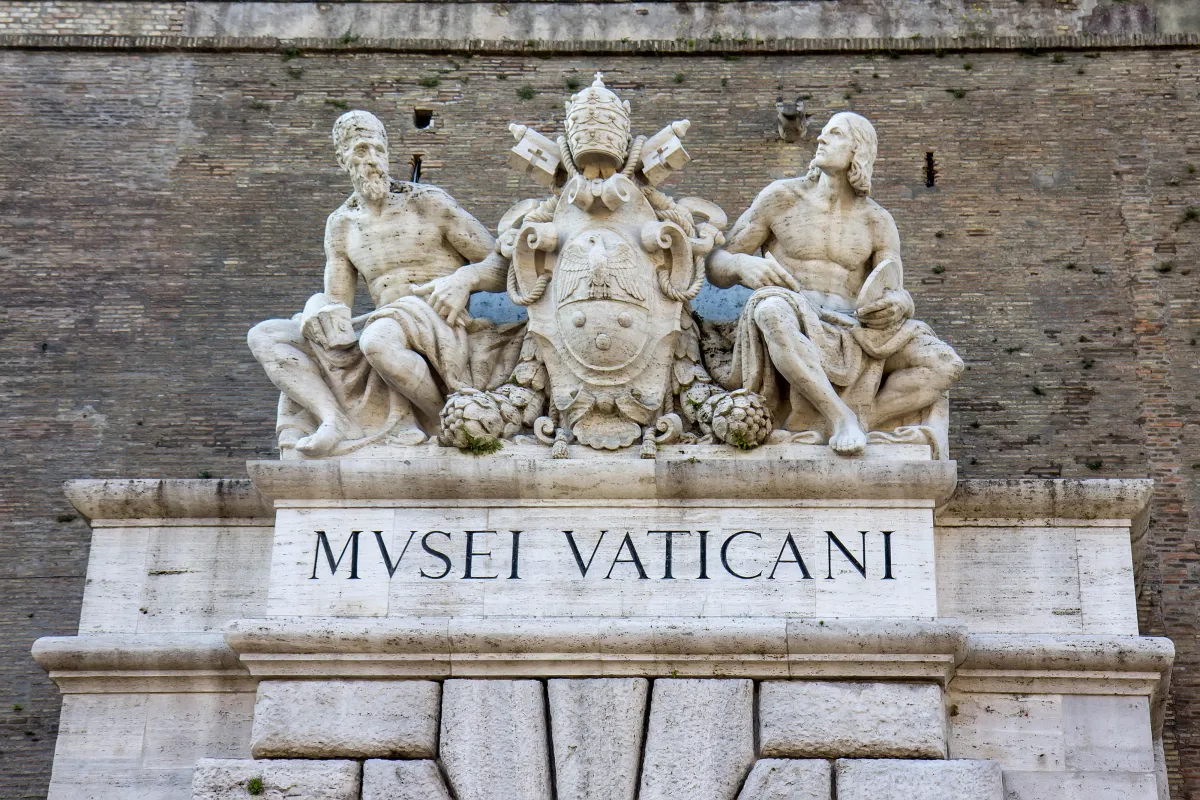
As part of the Vatican Museums complex, established in 1933, the chapel belongs to a larger collection that includes artworks, manuscripts, and historical artifacts.
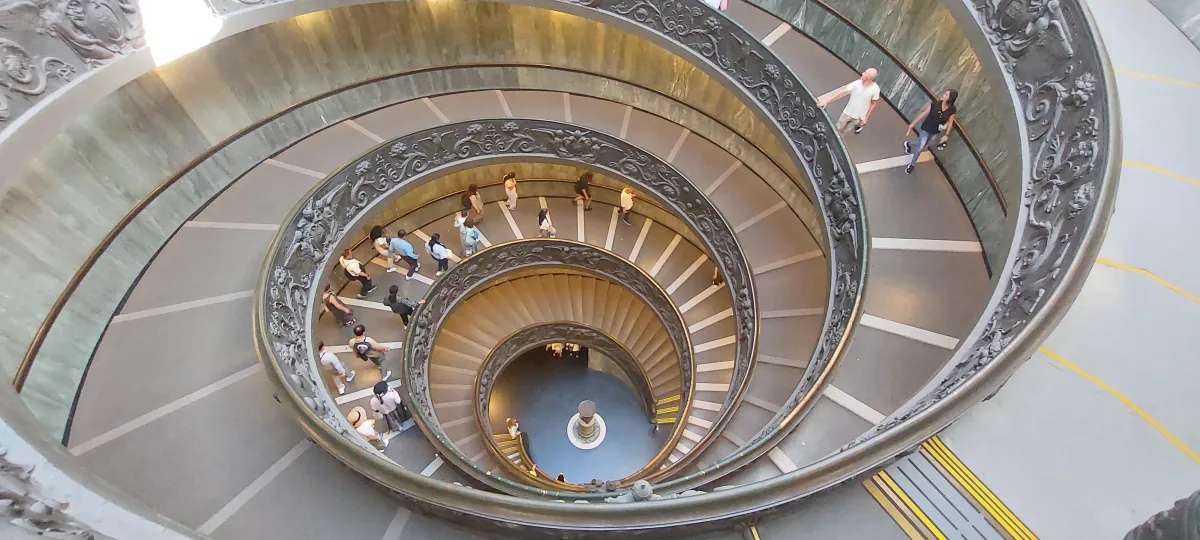
The museum route leads visitors toward the Chapel, the high point of the artistic experience within the Spiritual Vatican Museum.
Originally built as a papal chapel and decorated by eminent artists, it now serves both as a setting for religious ceremonies and as a treasure of global artistic heritage, woven into the Vatican Museums route.
To Remember
Not allowed
- Alcohol and drugs
- Photography inside
- Making noise
Know before you go
- Speaking out loud is not allowed inside the Sistine Chapel.
- Qualcosa per coprirsi le spalle.