
 Italiano
 Español
 Français
 Deutsch
 Nederlands
 Polski
 Português
 Português do Brasil
 Pусский
 日本語
日本語 简体中文
简体中文 한국어
한국어 Bahasa Indonesia
This is an independent website and it'is not affiliated with or endorsed by the Vatican Museums.


Pope Leo XIV: AI in Healthcare Must Preserve Human Dignity
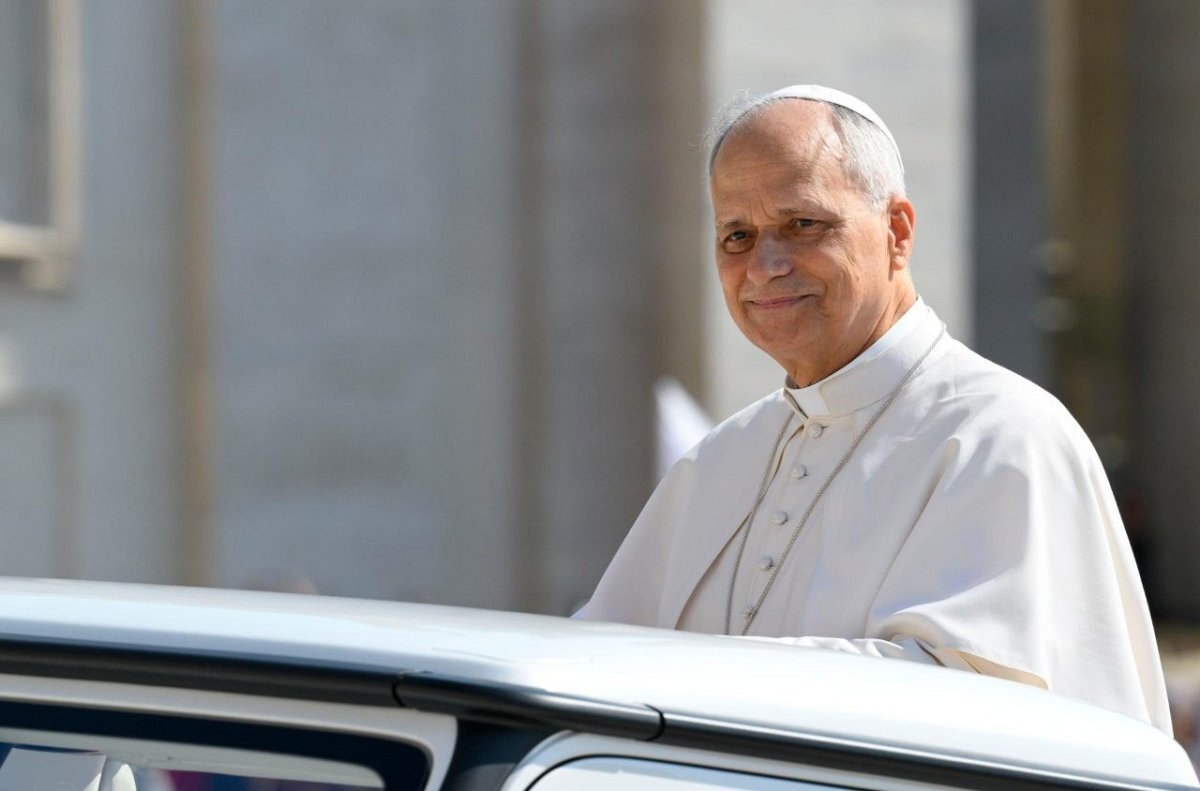 Pope: The use of artificial intelligence in healthcare must ensure quality of care and the doctor-patient relationshi
The Pontifical Academy for Life has convened an international congress titled “AI and Medicine: The Challenge of Human Dignity,” scheduled to occur from November 10 to 12.
Pope Leo XIV prayed for all who attended this Month's Monday meeting on health care AI, stating that every kind of technology can change a person's experience and growth by altering people's perception of: 1)yourselves, 2)others and 3)the way humans think.
The Risks of Human-Machine Interaction
According to him, "We communicate with machines in much the same way we communicate with another person." What results from that interaction could create a bond (or implied partnership) between the human and machine, thus creating a scenario in which we are at risk of losing at least two things as a result of this bonding - losing sight of other humans (the people we live with) and losing appreciation and/or respect for what it is to be a human being.
Pope Leo has said that the development of technology has positively impacted both healthcare as well as medicine; however, real advancement will only occur through individual and institutional participation in preserving persons’ dignity.
AI’s Dual Impact on Healthcare
The Pope stressed that, because AI and other tech have the power to greatly harm humanity “when used to do bad things”; this is contrasted by the ability of such technologies to give humanity the chance to transform and positively benefit from them “if we use them for the right reasons”.
Pope Leo XIV urged healthcare practitioners to utilize artificial intelligence judiciously within their profession, enabling them to uphold their calling as protectors and stewards of human life.
Ontological Dignity and the Essence of Care
The belief that humanity is subject to frailty and/or vulnerability has been supported throughout the history of healthcare. More importantly, however, every person possesses innate dignity (ontological dignity) as a result of his/her very existence as a human being; the fact that he/she was created and called into existence; the fact that he/she is loved and willed into existence by God cannot, should not and will not ever change.
The Pope subsequently emphasized the "irreplaceable essence" of human connections in delivering care to individuals.
Healthcare providers should be trained and skilled at providing care, and they also need to communicate to develop a trusting relationship with their patients, he said. He stated that healthcare was not just another challenge to be solved and that patients should not be dehumanized by using assistive technology.
Collaboration for Ethical AI in Medicine
The Pope has told us that using AI will help enhance human dignity by improving how we see and feel toward each other and being able to provide better service to individuals; however, he also talked about how there are great financial incentives for medical practices and technological practices to be the higher priority. Because many people have interest in doing so, he has asked for those who attended the meeting to work cooperatively across the healthcare community and the political community to provide Artificial Intelligence and more effective services around the world.